
Reserved by 9am, Empty Until 3pm: What Sun Loungers Reveal About Leadership Culture
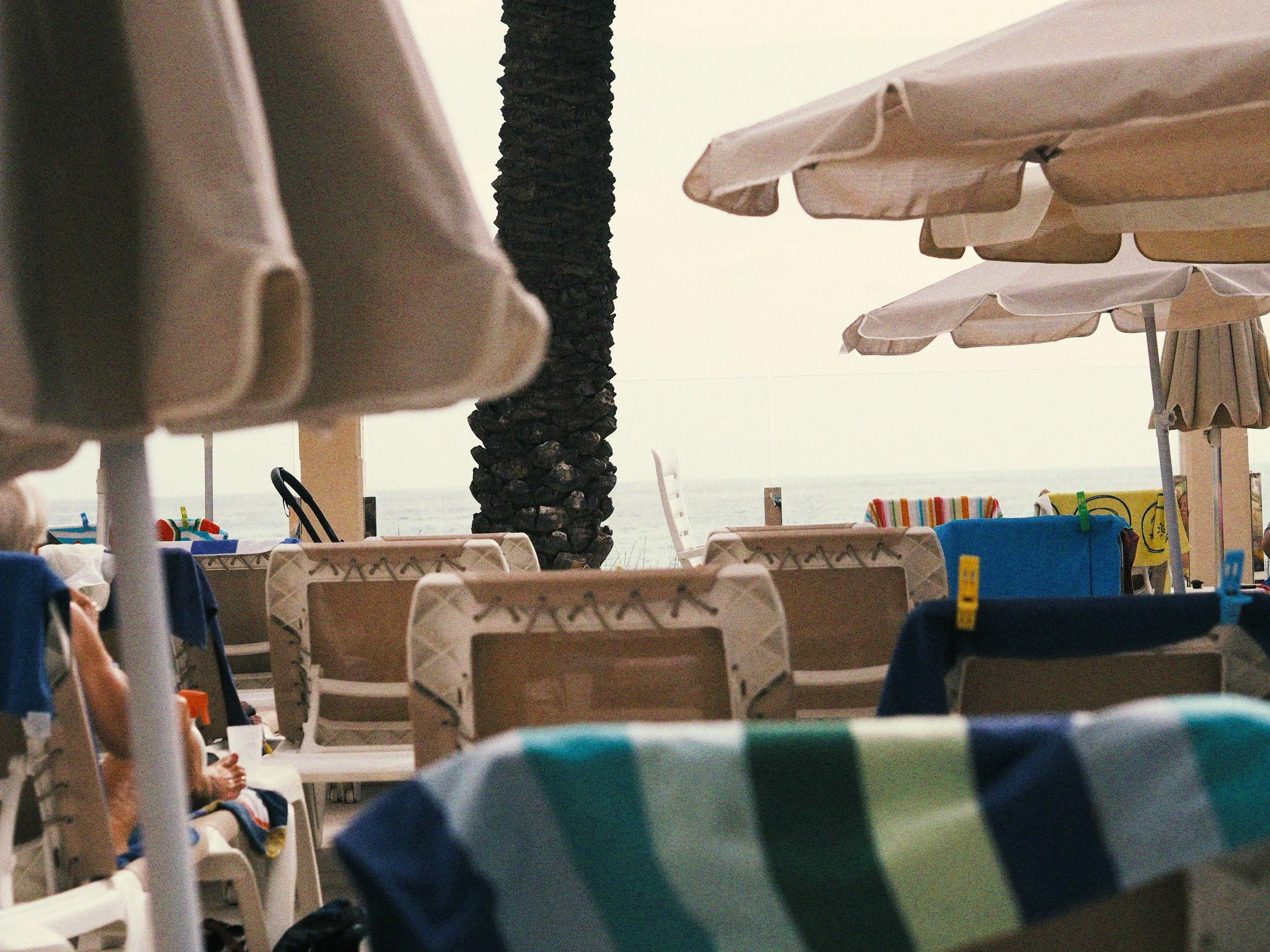
One of my holiday bugbears is the ritual of reserving sun loungers.
If you've stayed at a busy hotel, you'll know exactly what I mean.
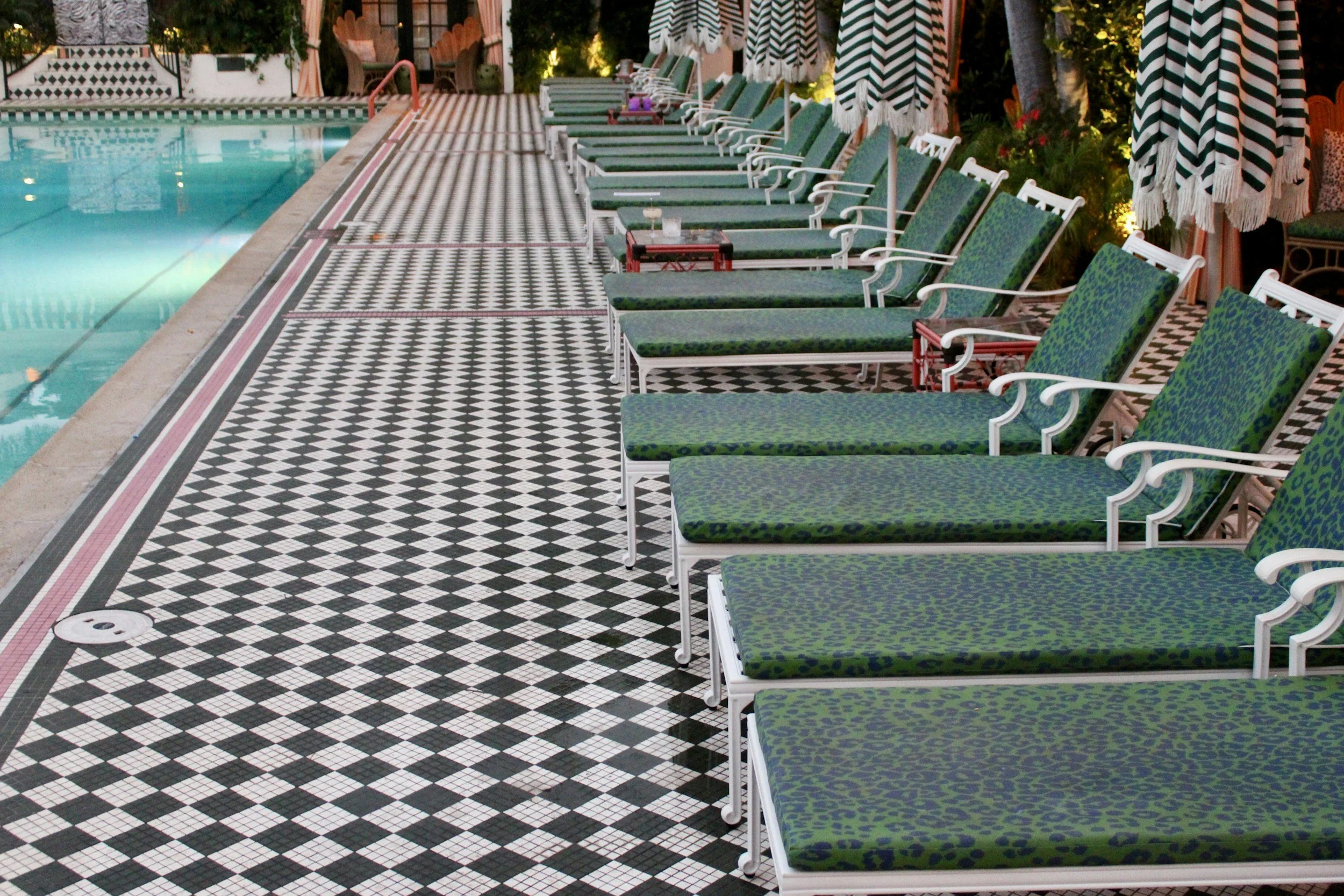
By 9am, almost every lounger has a towel draped across it, marking its territory. Yet somehow there are very few people actually using them. Hours later, many remain empty while other guests wander around looking for somewhere to sit.
It's easy to get frustrated by the behaviour.
It's also easy to judge it.
The reality, however, is more interesting.
I've done it myself.
When travelling with my daughter, I have been known to place a towel on a sun lounger early in the morning. Not because I particularly agreed with the practice, but because everyone else was doing it and I didn't want us to miss out.
That's when it struck me.
The problem isn't really the people.
The problem is the culture.

How Culture Develops
Most guests don't arrive at a hotel determined to reserve sun loungers for hours on end.
They observe what everyone else is doing.
They quickly realise that if they don't join in, they'll be disadvantaged.
So they adapt.
A behaviour that many people dislike becomes a behaviour that many people participate in.
Over time, it becomes normal.
Eventually, nobody questions it because "that's just how things work around here."
This is exactly how workplace cultures are formed.
Not through strategy documents.
Not through values posters.
Not through carefully crafted mission statements.
Culture develops through repeated behaviours that are observed, copied, rewarded, tolerated and normalised.
The Shadow of Leadership
Leadership expert Professor Steve Radcliffe often talks about the concept of the "shadow of the leader."
The idea is simple but powerful.
Whether we realise it or not, our behaviour casts a shadow.
People don't just listen to what leaders say. They watch what leaders do.
They observe what gets our attention, what gets rewarded, what gets ignored and how we behave when things become difficult.
Our actions create signals.
And those signals shape culture.
If we talk about collaboration but operate in silos, people learn that collaboration isn't really valued.
If we talk about wellbeing but consistently work excessive hours, people learn that wellbeing comes second to performance.
If we talk about accountability but avoid difficult conversations, people learn that standards are negotiable.
The shadow always speaks louder than the message.
The culture we experience is often a reflection of the shadow being cast by those with influence.


What We Tolerate Becomes Culture
One reason the sun lounger situation persists is because nobody really addresses it.
Hotel staff often have little incentive to challenge it.
Guests don't want confrontation.
The easiest option is to allow the behaviour to continue.
The same dynamic exists in organisations.
Many cultural problems aren't caused by dramatic failures of leadership.
They're caused by small acts of avoidance.
The difficult conversation that never happens.
The poor behaviour that gets overlooked.
The high performer who gets away with behaviour others couldn't.
The standard that slowly slips because nobody wants the discomfort of addressing it.
Every time a leader tolerates something, they send a signal.
And signals shape culture.
What Gets Rewarded Gets Repeated
There's another lesson hidden in the sun lounger saga.
People respond to incentives.
The reason the behaviour continues is because, from the perspective of the individual, it works.
Reserve a lounger early and you secure the best spot for later.
The behaviour is rewarded.
And rewarded behaviours get repeated.
In organisations, the same principle applies.
We often spend a lot of time talking about values and desired behaviours, but people pay close attention to what actually gets recognised, rewarded and celebrated.
If we praise teamwork but only reward individual achievement, people will focus on themselves.
If we encourage innovation but punish every mistake, people will play safe.
If we talk about respect and inclusion but promote people who consistently undermine others, the message becomes clear: results matter more than behaviour.
Culture is not built by intention alone. It is built through reinforcement.
As leaders, we need to be deliberate about noticing and recognising the behaviours we want to see more of.
When people collaborate, acknowledge it.
When someone demonstrates courage, celebrate it.
When a team member supports a colleague, shine a light on it.
Recognition doesn't always require a bonus, a promotion or a formal award. Often, the most powerful reinforcement is simply making good behaviour visible.
What gets rewarded gets repeated.
What gets repeated becomes habit.
And what becomes habit eventually becomes culture.

Looking in the Mirror
The lesson from the poolside isn't that other people should behave differently.
The lesson is that most of us are influenced by the environment around us.
That includes leaders.
Culture is rarely created through intention alone.
It's created through behaviour.
That's why one of the most important questions any leader can ask is not:
"What culture do I want?"
It's:
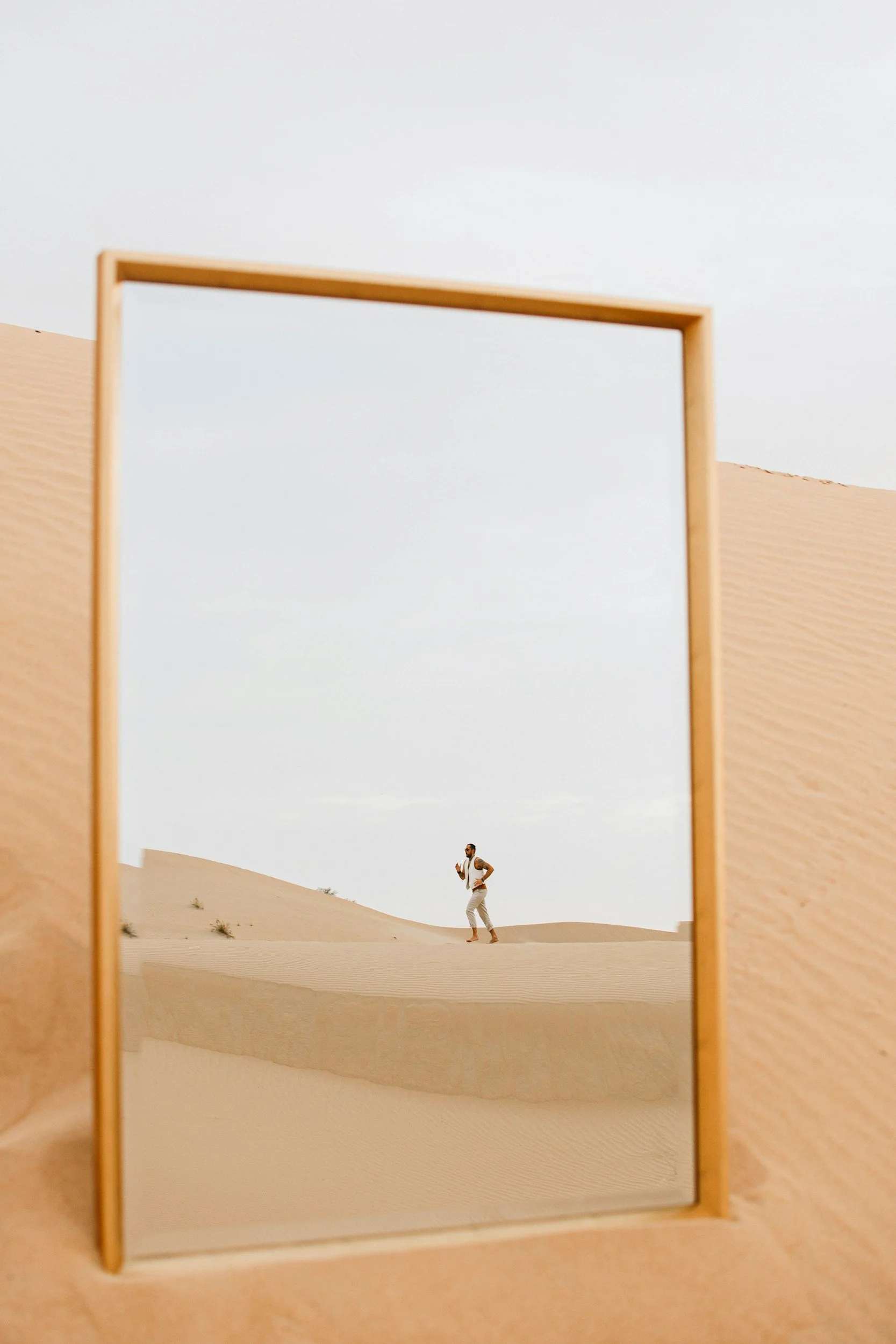
"What culture am I creating through my actions?"
Because whether we realise it or not, we're all casting a shadow.
The real question is whether that shadow is reinforcing the culture we want to build...
...or the culture we're allowing to develop.
After all, culture is shaped by what leaders model, what leaders tolerate and what leaders reward.
Ready to unlock your organisation's full potential? View our mBIT Organisational Practitioner Certificate (OPC) PDF below for more information. Our next OPC course is in November 2026.
mBraining is a pragmatic science behind Emotional Intelligence, peak performance, employee wellbeing and sustainability of wise decision-making in an organisation at every level.
Organisation Practitioners are trained to use mBIT (multiple Brain Integration Techniques): a suite of practical techniques for communicating with, aligning and harnessing the intelligence of multiple brains.
Get in touch with our team today and let's find out how far your business can go. Contact us by clicking button below.
